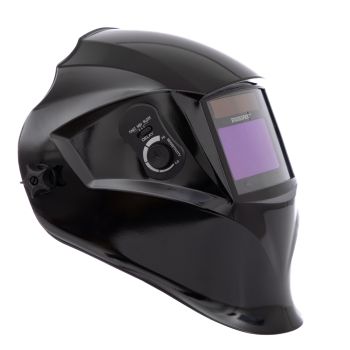
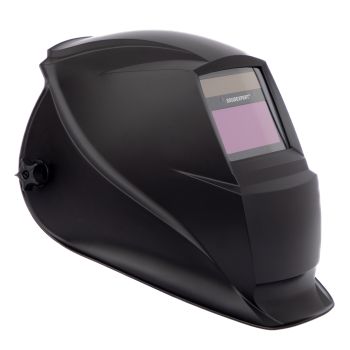
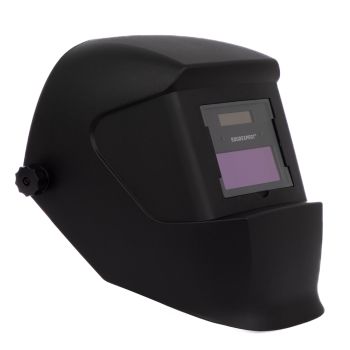
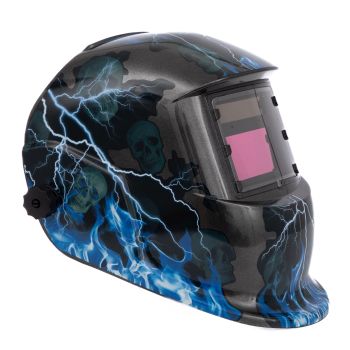
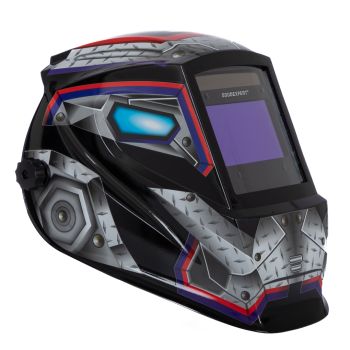
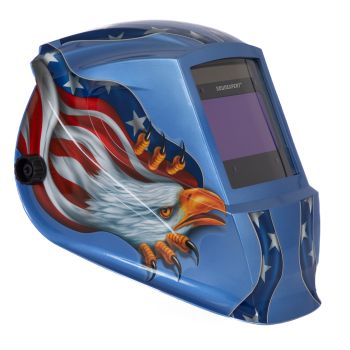
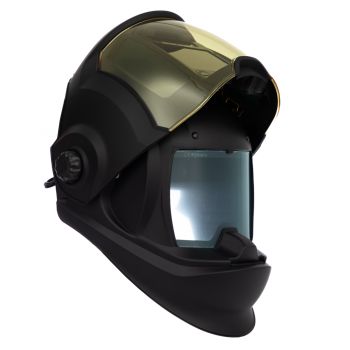
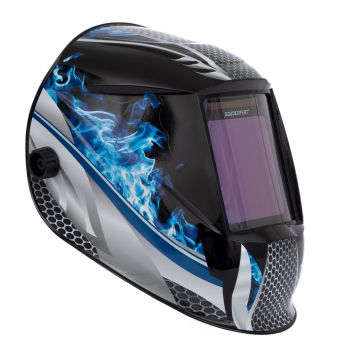
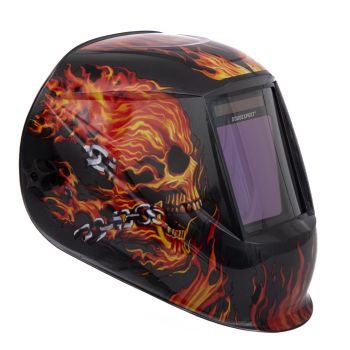
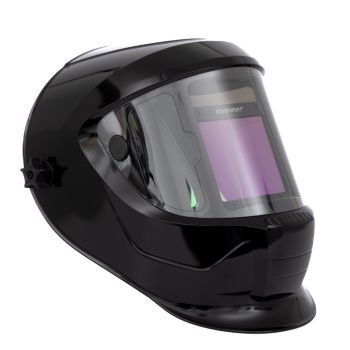
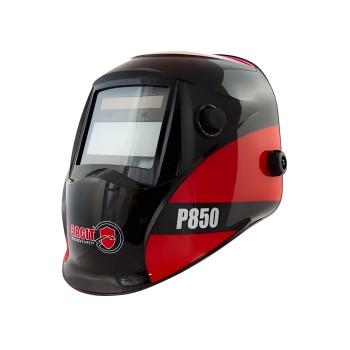
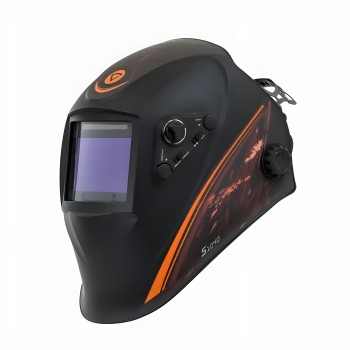
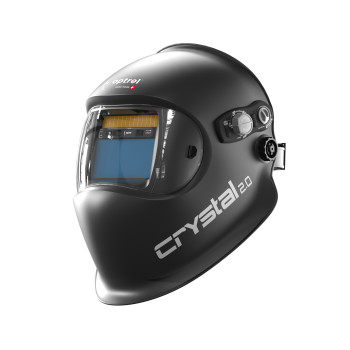
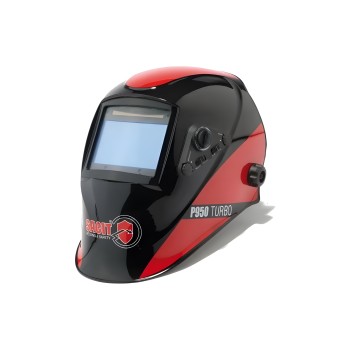
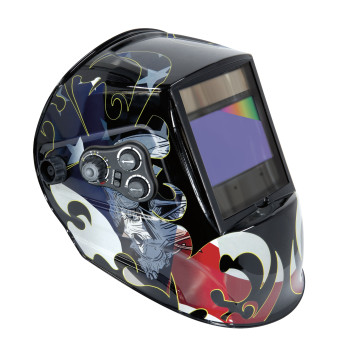
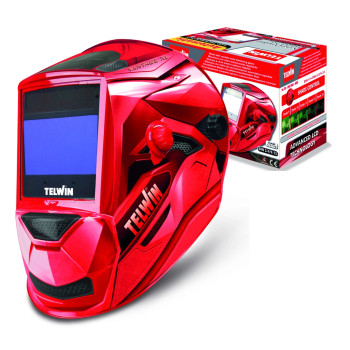
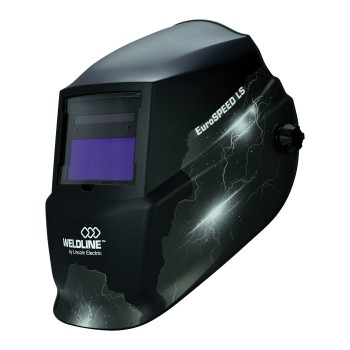
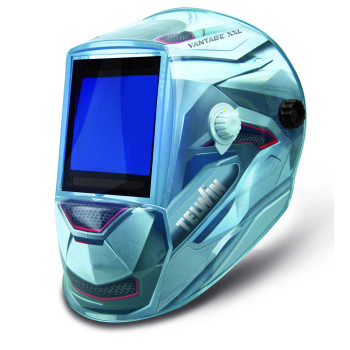
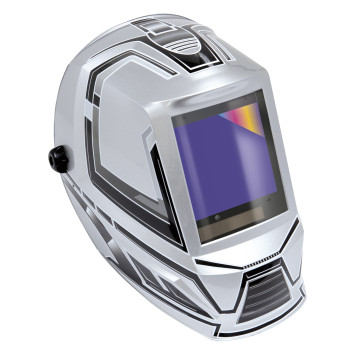
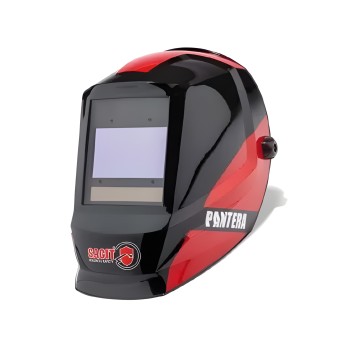
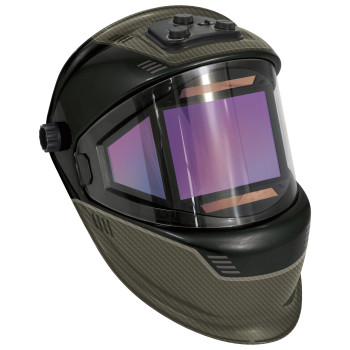
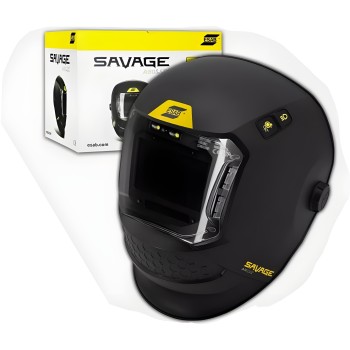
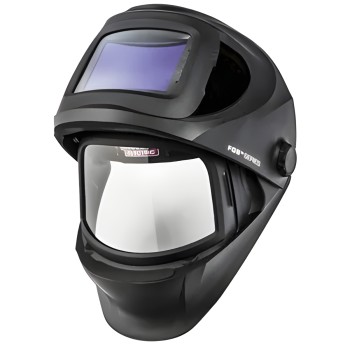
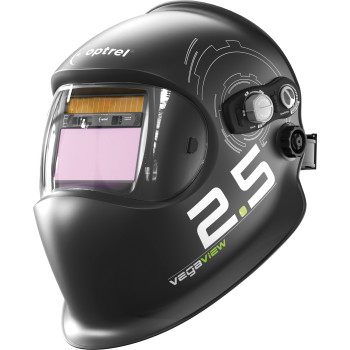
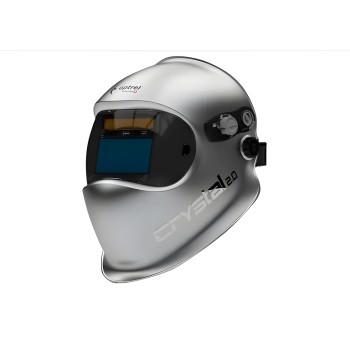
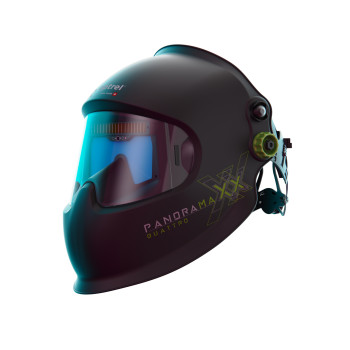
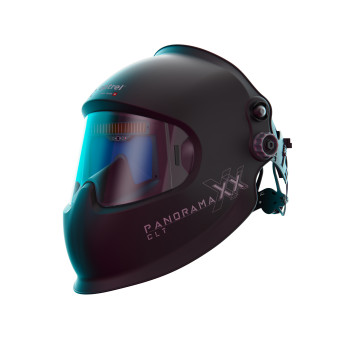
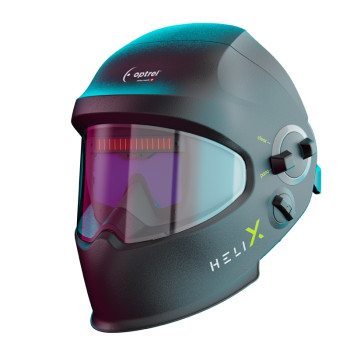
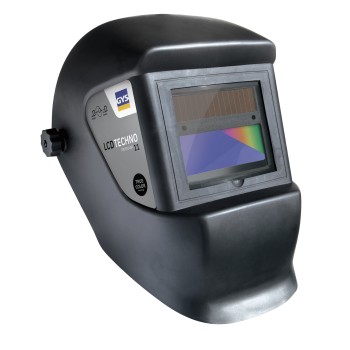
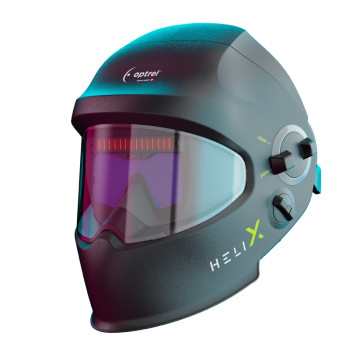
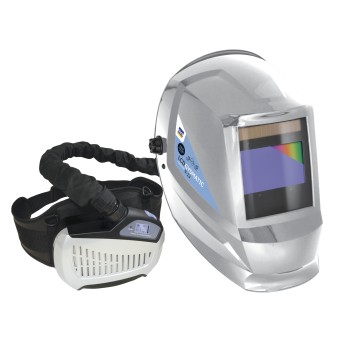
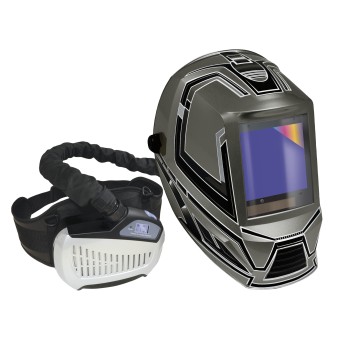
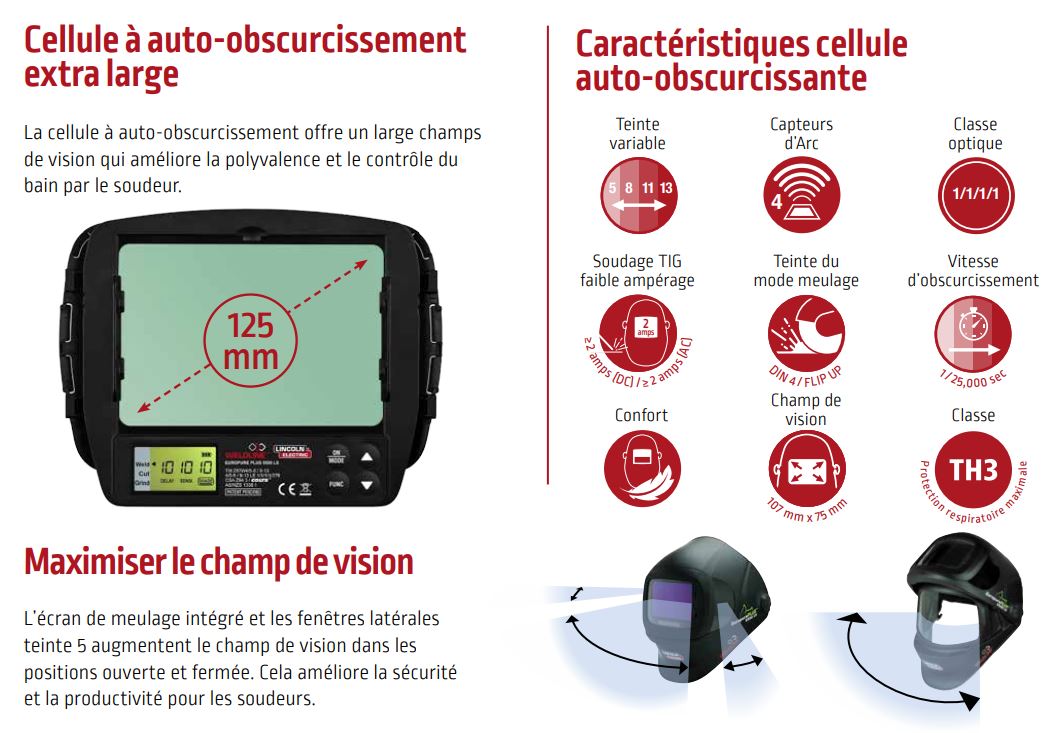
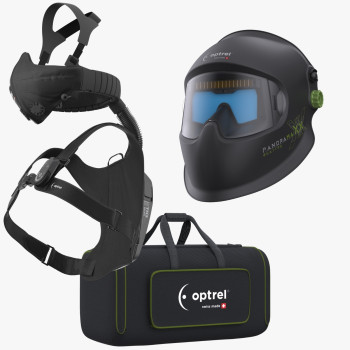
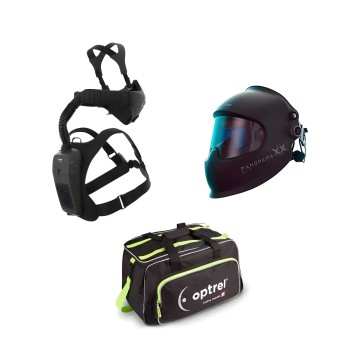
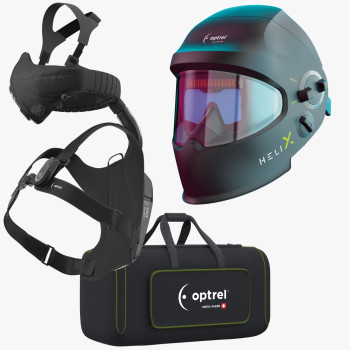
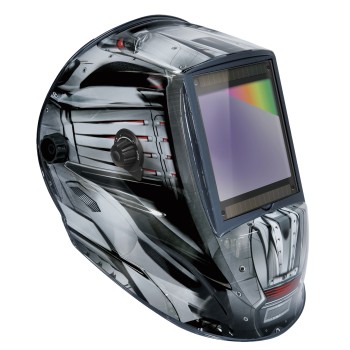
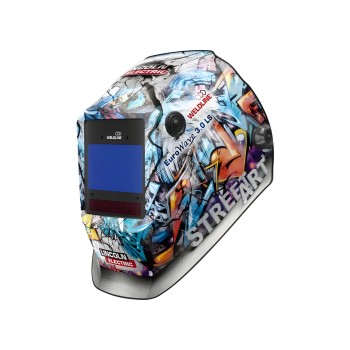
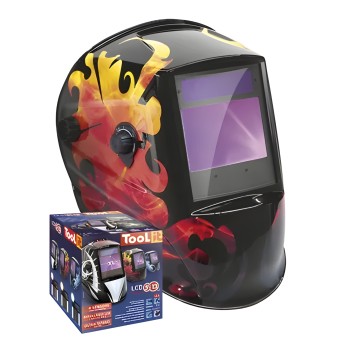
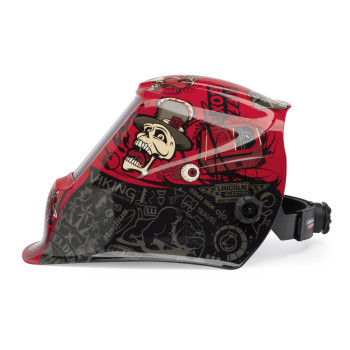
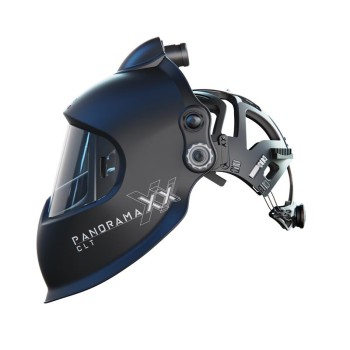
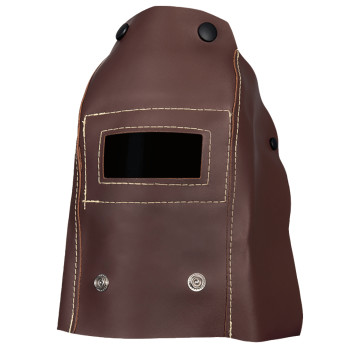
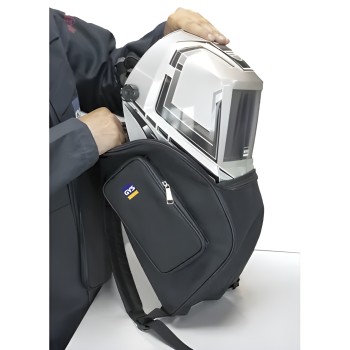
The welding helmet is the welder's most important protective equipment: it protects the eyes and face from the intense radiation of the arc and from spatter. Also known as a welding hood or welding mask, it comes in several technologies — passive, auto-darkening, powered air-purifying — suited to each process and each budget. Discover our complete selection to find the protection that suits you.
Why is a welding helmet essential?
The welding arc emits extremely powerful ultraviolet and infrared radiation, capable of causing an "arc eye" (photokeratitis) within a few seconds — very painful — and in the long term serious eye damage. A welding helmet filters this radiation, protects the retina, and shields the face from sparks. It is a piece of equipment on which no welder, beginner or professional, should ever compromise.
The passive helmet
The passive helmet is fitted with a fixed-shade lens. Economical and robust, it suits welders who always carry out the same type of work at a constant amperage. Its drawback: the welding mask must be lifted between each bead to see the workpiece, then lowered before striking the arc. It remains a valid choice for occasional use on a tight budget.
The auto-darkening helmet, the best compromise
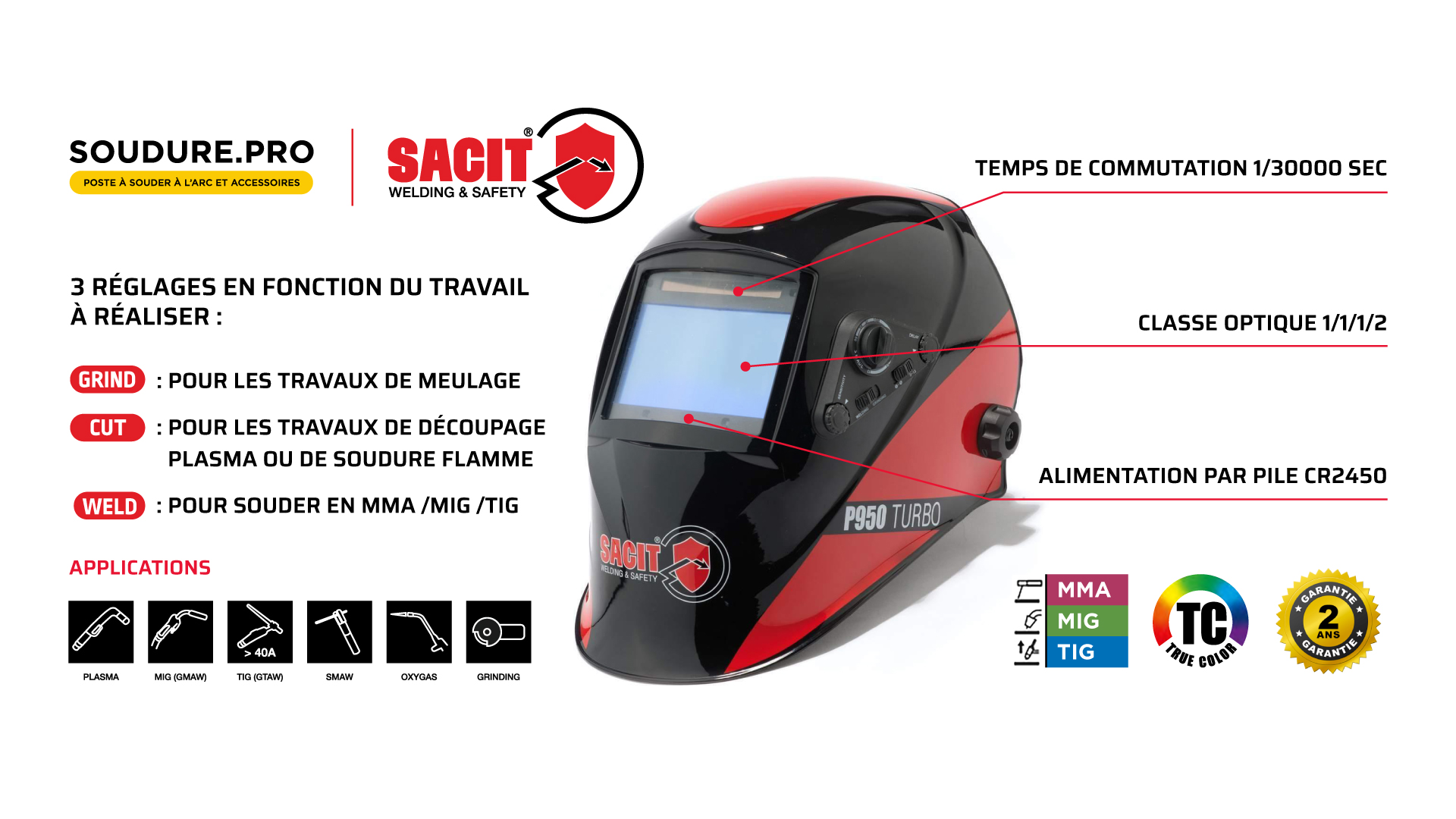
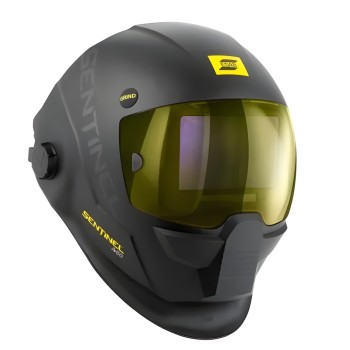
The auto-darkening welding mask is today the most widely used choice. Its LCD filter darkens instantly as soon as the arc is struck, then returns to clear when the arc stops: no more need to lift the mask, hands remain free, and the workpiece is always in view. Good models offer an adjustable shade, multiple arc sensors, sensitivity and delay adjustments, and a grinding mode. Discover our range of auto-darkening helmets, ideal for the majority of welders.
The powered air-purifying helmet, for fumes
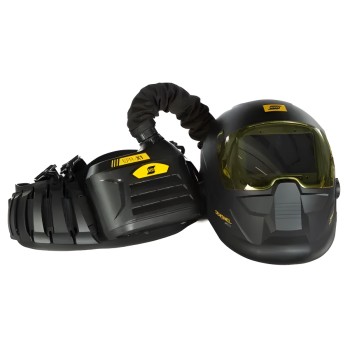
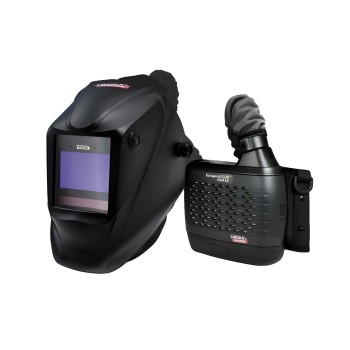
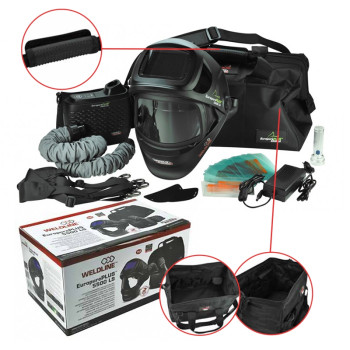
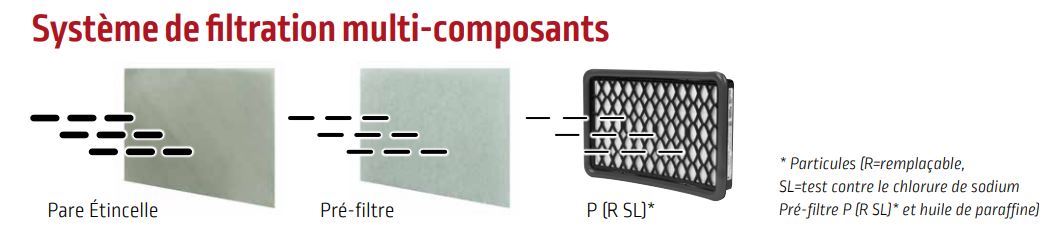
For intensive work or work in confined spaces, the powered air-purifying helmet adds a supply of filtered air that also protects the respiratory tract. It is the most comprehensive solution, particularly recommended for limiting the inhalation of welding fumes. It is ideally complemented by good respiratory protection.
Matching the helmet to the process
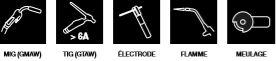
The process influences the choice of welding helmet. For TIG at low amperage, choose a sensitive helmet offering a low shade. For MMA and MIG-MAG at high amperage, a high shade range and multiple sensors are preferable. Modern helmets generally cover all processes thanks to their adjustable shade, making them versatile models.
Selection criteria
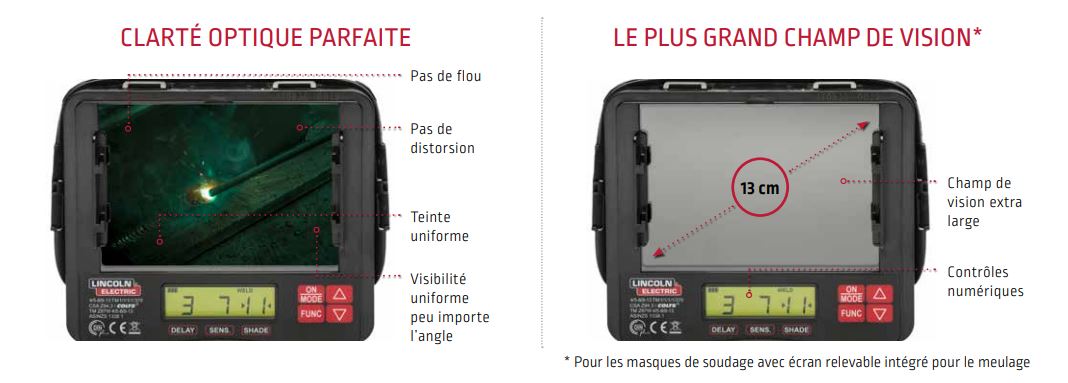
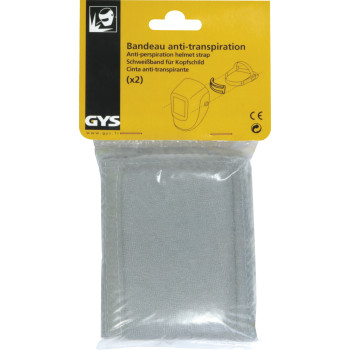
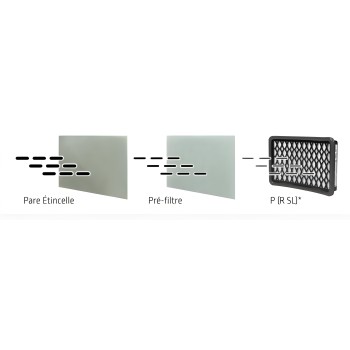
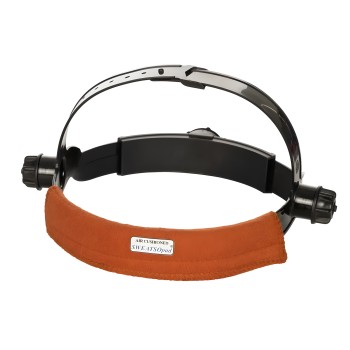
To choose your welding helmet well, examine the shade range (suited to your process and amperage), the switching speed (the shorter the better), the number of arc sensors, the field of view, and the presence of a grinding mode. Check the certifications (EN 379 standard) and the comfort of the headband, which is decisive for long sessions. Finally, remember to keep replacement protective lenses on hand — consumables that protect the filter from spatter.
Maintenance and service life
A quality automatic welding helmet lasts many years if properly maintained. Replace the outer protective lenses as soon as they are pitted or scratched, clean the filter with a soft dry cloth, and regularly check the batteries or solar cells. Before each session, verify that the filter darkens correctly: never weld with a mask whose sensor does not respond.
Comfort, an underestimated criterion
Over a full day of welding, the comfort of the welding helmet matters as much as its optical performance. The weight of the mask, the balance of the headband, and the quality of the padding determine the fatigue felt in the neck. A wide field of view reduces head movement and improves bead control. For glasses wearers, check that the internal volume of the welding helmet is sufficient. Finally, a mask that is too dark in the light state hinders vision between welds: good models maintain a comfortable clear shade. Adjusting the headband before first use prevents much discomfort.
Our recommendation
For the majority of welders, the automatic welding mask offers the best balance between protection, comfort, and price. Reserve the passive helmet for occasional use, and the powered air-purifying helmet for intensive or confined work. Whatever your choice, never compromise on quality: your eyes have no spare parts. Browse our complete selection of welding helmets and hoods to find the model suited to your practice.
Frequently asked questions
What shade should you choose for a welding helmet?
The shade is set according to the process and amperage: the more powerful the arc, the higher the shade must be. Modern auto-darkening helmets offer an adjustable shade (often 9 to 13) that covers MMA, MIG-MAG, and TIG. For TIG at low amperage, choose a sensitive mask offering a low shade.
What is the difference between a passive and an auto-darkening helmet?
The passive helmet has a fixed-shade lens: it must be lifted between each bead. The auto-darkening helmet has an LCD filter that darkens instantly when the arc is struck, then returns to clear: hands remain free and the workpiece is always in view. The auto-darkening helmet is today the most widely used choice.
How does an auto-darkening welding mask work?
The LCD filter contains sensors that detect the arc: as soon as the arc is struck, the lens darkens within a few milliseconds, then returns to its clear shade when the arc stops. You generally adjust the shade, sensitivity, and delay. A grinding mode allows the darkening to be disabled for finishing work.
Does a welding helmet protect against fumes?
A standard helmet protects the eyes and face but not the respiratory tract. To protect against welding fumes, a powered air-purifying helmet is required, which supplies filtered air, supplemented if necessary by a dedicated respiratory protection device, especially in confined spaces or during intensive use.
Summary table of DIN shades by process
Indicative DIN shades for choosing a welding helmet.| Process | Indicative amperage | Recommended DIN shade |
|---|
| MMA stick electrode | 40 to 80 A | DIN 10 |
|---|
| MMA stick electrode | 80 to 175 A | DIN 11 |
|---|
| MMA stick electrode | 175 to 300 A | DIN 12 |
|---|
| TIG | 10 to 75 A | DIN 9 to 10 |
|---|
| TIG | 75 to 200 A | DIN 11 to 12 |
|---|
| MIG/MAG | 80 to 175 A | DIN 10 to 11 |
|---|
| MIG/MAG | 175 to 300 A | DIN 12 |
|---|
| Plasma cutting | 20 to 100 A | DIN 8 to 11 |
|---|
These values are indicative: always check the helmet's manual and adjust the shade to your actual amperage, the material, and your visual comfort.
How does a welding helmet work?
A welding helmet protects the eyes and face against the arc, UV, infrared radiation, and spatter. Auto-darkening models darken the filter as soon as the arc is struck.
What is the price of a powered air-purifying helmet?
The price of a welding helmet depends mainly on the power, the duty cycle, the brand, and the included features. Also compare the accessories provided, as they significantly affect the real cost of use.
What amperage for arc welding?
The amperage depends mainly on the electrode diameter and the thickness to be welded. In MMA, the setting is often around 30 to 40 A per millimeter of electrode diameter.
What type of electrode is used in arc welding?
In MMA arc welding, coated electrodes are used. Rutile electrodes are easy to use, basic electrodes offer better toughness, and stainless steel or cast iron electrodes meet specific application needs.


 Germany
 Netherlands
 Croatia
 Denmark
 Finland
 Greece
 Ireland
 Portugal
 Sweden
 Norway
 Bulgaria
 Estonia
 Latvia
 Lithuania
 Poland
 Czech Republic
 Romania
 Slovakia
 Slovenia
 Hungary
 Spain
Spain



 2-year warranty