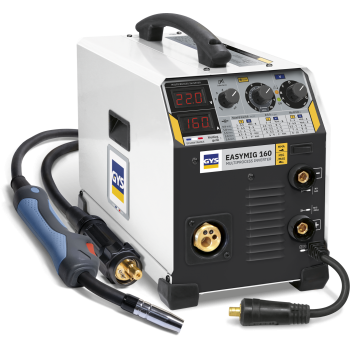
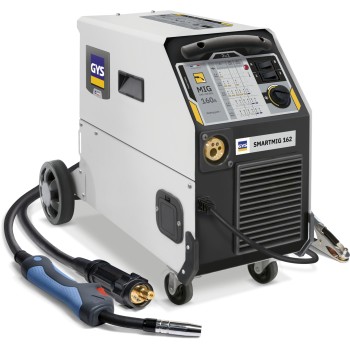
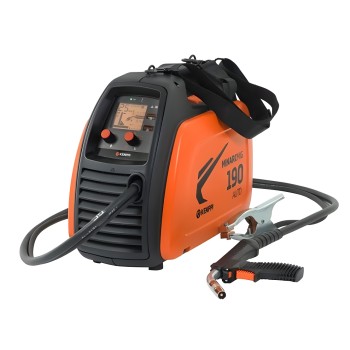
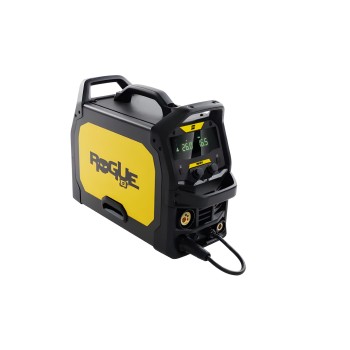
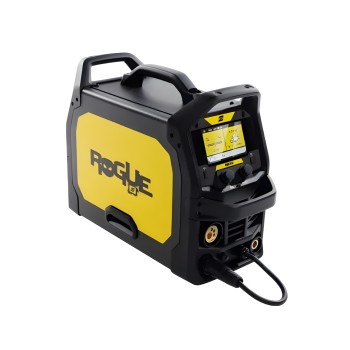
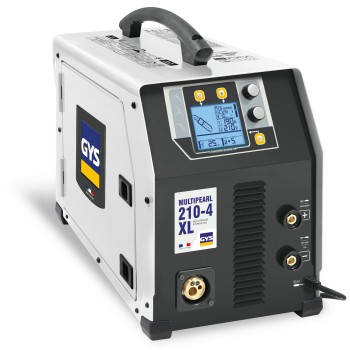
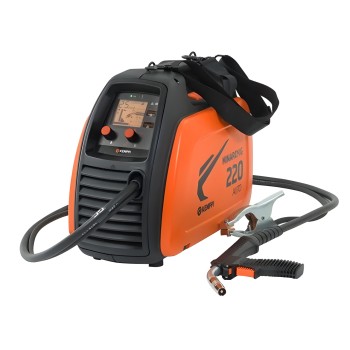
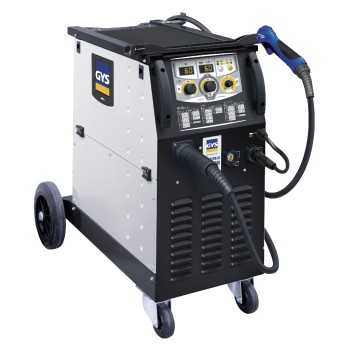
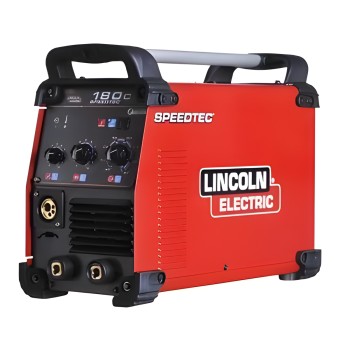
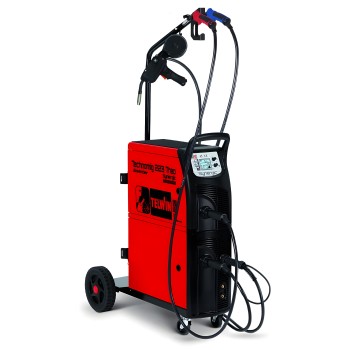
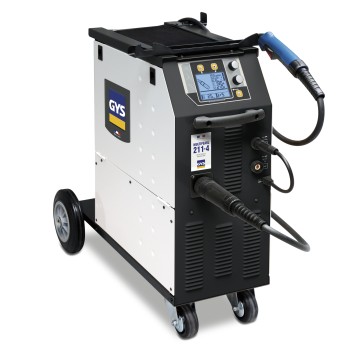
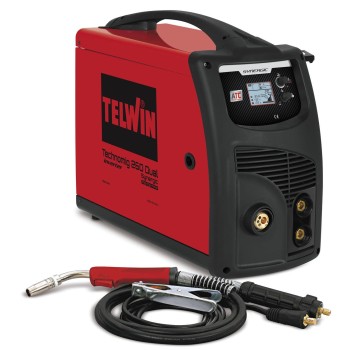
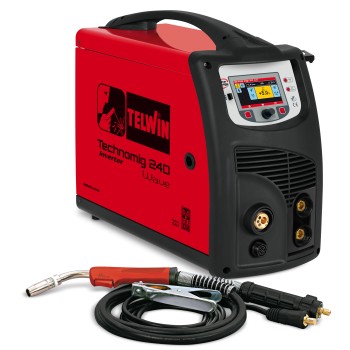
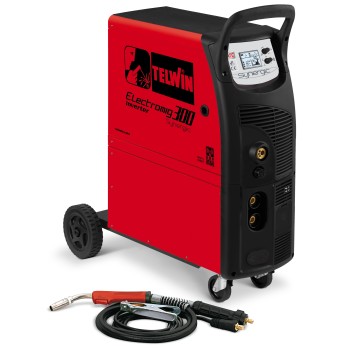
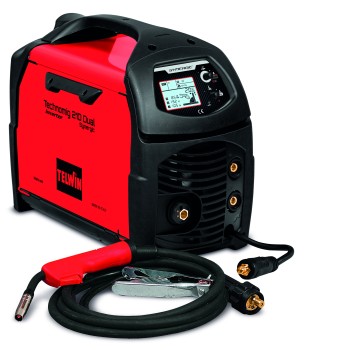
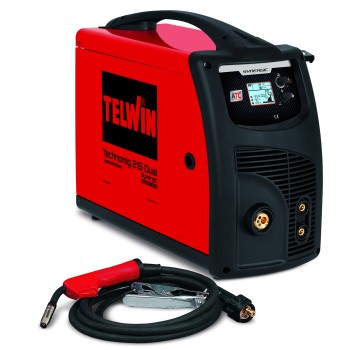
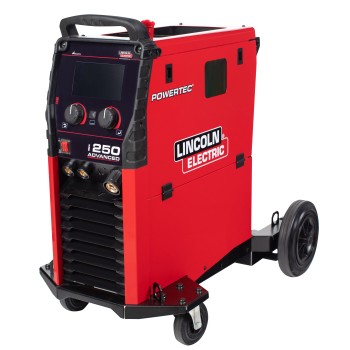
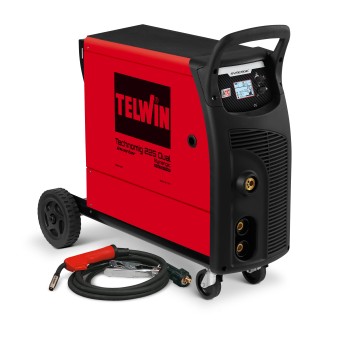
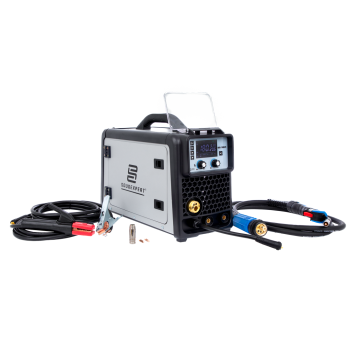
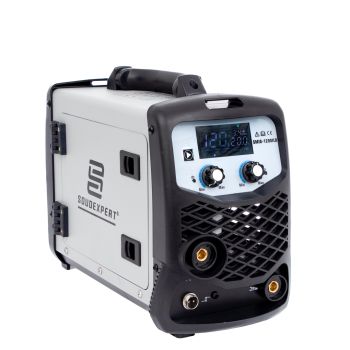
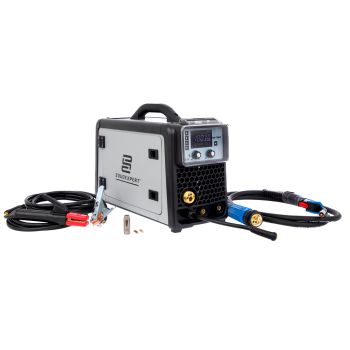
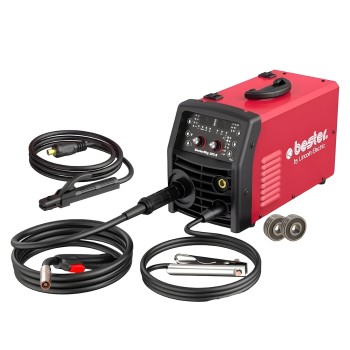
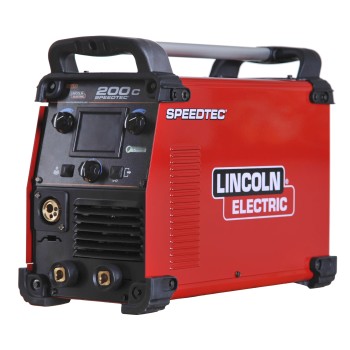
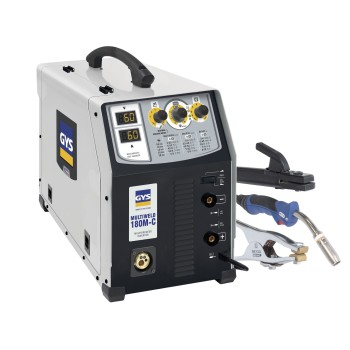
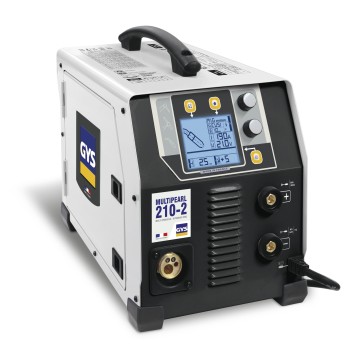
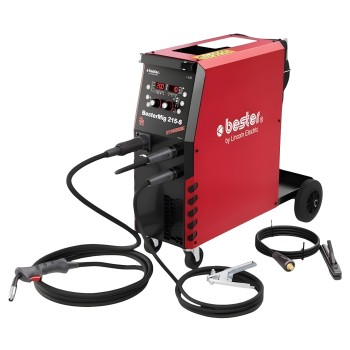
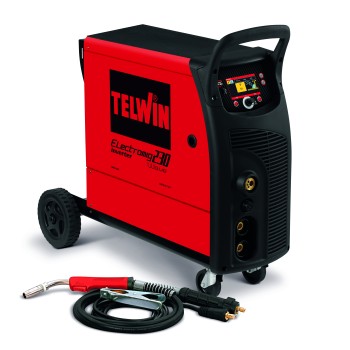
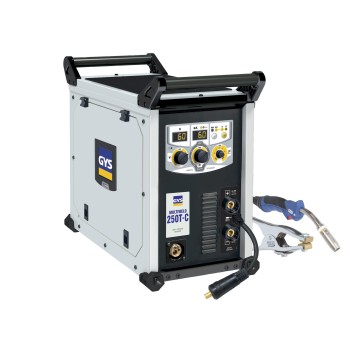
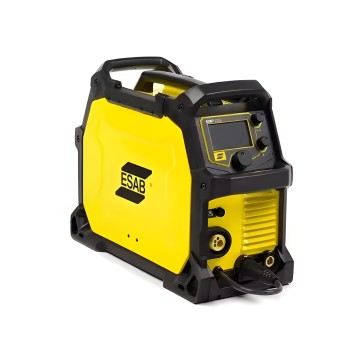
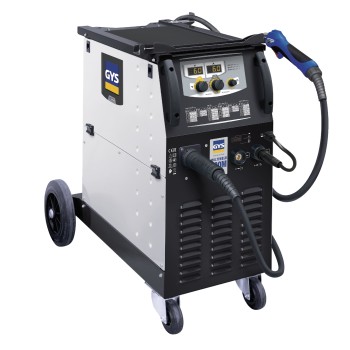
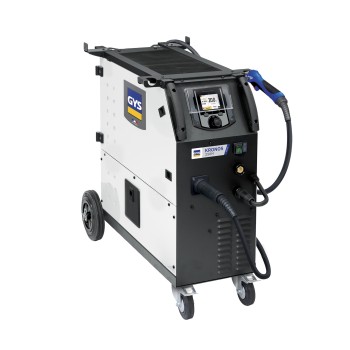
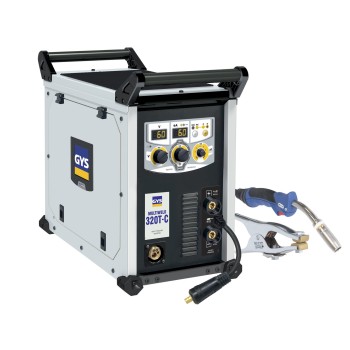
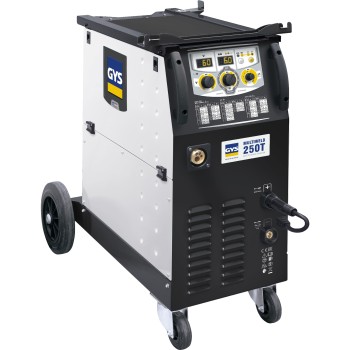
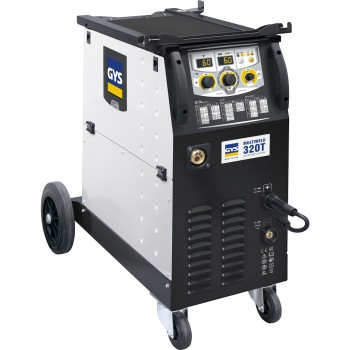
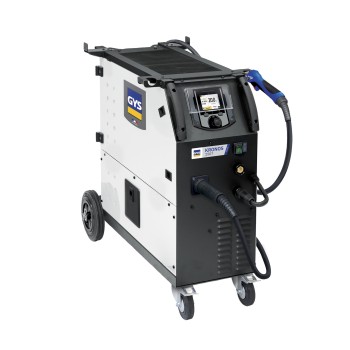
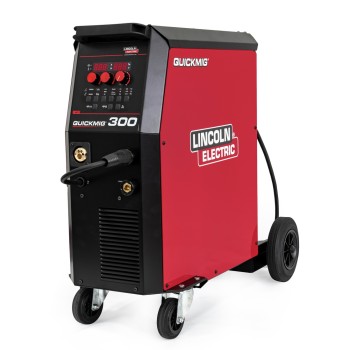
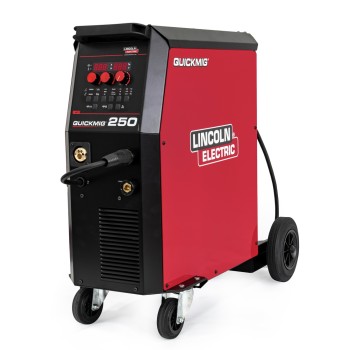
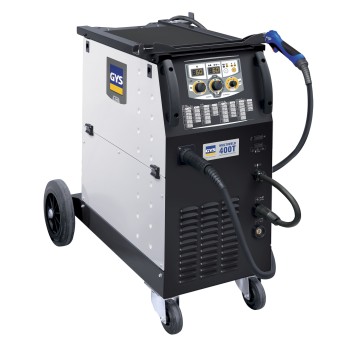
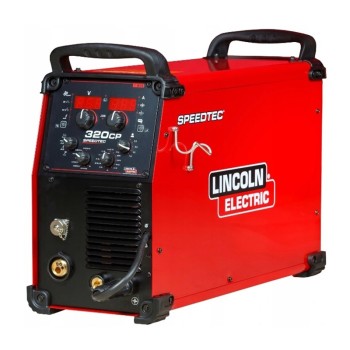
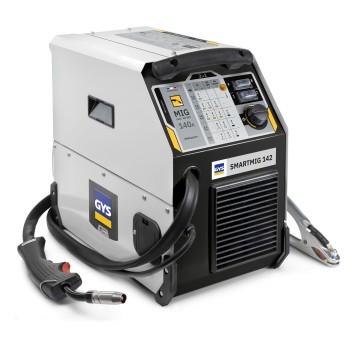
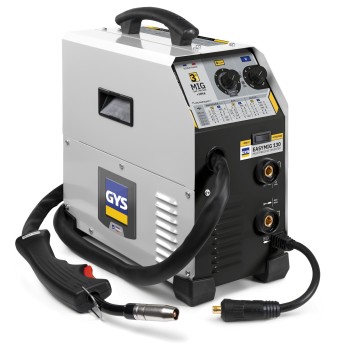
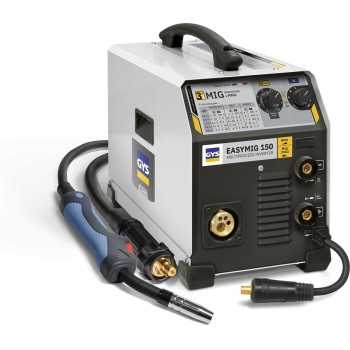
The flux-cored wire welding machine is the ideal solution for welding without a gas cylinder, anywhere, including outdoors. Thanks to the flux-cored wire that generates its own shielding as it melts, the gasless MIG welding machine eliminates the constraints of gas and wind. Discover our selection of gasless machines, from the compact model for home users to the versatile generator for tradespeople.
How does gasless welding work?
The principle is based on flux-cored wire, a hollow wire filled with flux. As it melts, this flux releases a shielding gas and forms a slag that protects the weld pool from oxidation. The result: no MIG/MAG gas cylinder or regulator needed. A gasless flux-cored wire welding machine can be used outdoors, even in a light breeze, where standard MIG shows its limits. This is what makes it so valuable for outdoor work.
The advantages of the gasless machine
The first advantage of the gasless welding machine is mobility: no heavy cylinder to carry or secure. The second is wind resistance, which disperses the gas of a standard MIG but does not affect flux-cored wire. The gasless MIG machine is therefore perfect for repairing gates, fences, agricultural structures and all metal work outdoors. Flux-cored wire also tolerates slightly rusty or painted surfaces better.
Flux-cored wire or gas MIG?
The choice depends on the application. The flux-cored wire welding machine excels outdoors and on medium-thickness steel. For a cleaner result on thin sheet metal or visible parts, the gas MIG machine remains preferable. Many 2-in-1 models combine both: gasless flux-cored wire for the construction site, solid wire with gas for the workshop. This versatility avoids buying two machines.
Setting the polarity correctly
The most important setting on a gasless MIG welding machine is polarity. Flux-cored wire is welded in negative polarity (torch at the negative pole), unlike solid wire with gas (positive polarity). A forgotten inversion immediately results in an unstable arc and excessive spatter. On 2-in-1 machines, this switch is done in a few seconds inside the cover.
Choosing the right generator
Check the maximum amperage, which determines the weldable thickness, and the duty cycle for endurance. The wire feeding system is key: flux-cored wire, softer than solid wire, requires knurled groove drive rolls to avoid being crushed. Also check how easy it is to invert polarity. To go further, compare our full range of MIG-MAG machines.
The right consumable: flux-cored wire
The quality of the flux-cored wire machine also depends on its consumable. The gasless flux-cored wire spool is chosen according to the diameter suited to your machine and the thickness being worked. A contact tip of the right size and a MIG torch in good condition ensure smooth feeding, without jamming.
Safety and finish
Gasless MIG welding produces more fumes and slag that must be removed after each pass with a brush and chipping hammer. Make sure you have adequate respiratory protection and an auto-darkening welding helmet. Removing the slag between each pass is essential for a sound weld.
Maintaining your gasless machine
The flux-cored wire welding machine requires specific maintenance of the wire feeding circuit. Flux-cored wire, softer and dustier than solid wire, clogs the liner and drive rolls more. Regularly clean the torch liner with compressed air, check the condition of the knurled groove drive rolls and replace worn contact tips. A properly adjusted drive pressure prevents the wire from being crushed. Also remember to dust the inside of the machine, where metal particles accumulate. These simple steps prevent jams, the main source of frustration with the gasless welding machine, and ensure consistent wire feeding throughout your jobs.
Gasless machine or gas MIG: which to choose?| Criterion | Gasless flux-cored wire | MIG/MAG with gas |
|---|
| Main application | Outdoors, repairs, construction site | Workshop, clean beads, thin sheet metal |
|---|
| Required equipment | Machine + flux-cored wire spool | Machine + solid wire spool + cylinder + regulator |
|---|
| Finish quality | More spatter, slag to clean | Cleaner and more consistent bead |
|---|
| Wind sensitivity | Good tolerance | Wind-sensitive |
|---|
Our recommendation
For occasional outdoor repairs, a small flux-cored wire welding machine is sufficient and saves you from buying a gas cylinder. For a tradesperson who alternates between workshop and construction site, opt for a 2-in-1 model capable of welding with and without gas. Check the amperage, duty cycle and wire feeder quality, then compare our gasless machines to find the one that will go everywhere with you.
Frequently asked questions
How does a gasless flux-cored wire welding machine work?
Flux-cored wire is a hollow wire filled with flux. As it melts, this flux releases a shielding gas and forms a slag that protects the weld pool. No gas cylinder needed: the machine runs on wire alone, making it possible to weld outdoors, even in a light breeze.
Which polarity to use with a gasless welding machine?
Negative polarity (torch at the negative pole), unlike solid wire with gas which is welded in positive polarity. An inverted polarity immediately causes an unstable arc and excessive spatter. On 2-in-1 machines, the switch is done in a few seconds under the cover.
Does a flux-cored wire welding machine weld as well as with gas?
Flux-cored wire offers excellent mechanical strength and wind resistance, but the bead is slightly less clean and generates slag to be removed. For an impeccable finish on thin sheet metal or visible parts, gas MIG remains preferable; for outdoors and medium-thickness steel, flux-cored wire is ideal.
Can you weld outdoors with a gasless MIG machine?
Yes, that is precisely its main advantage. The flux-cored wire generates its own shielding as it melts, so the wind does not disperse any gas as in a standard MIG. It is the ideal solution for repairing gates, fences and metal structures outdoors.


 Germany
 Netherlands
 Croatia
 Denmark
 Finland
 Greece
 Ireland
 Portugal
 Sweden
 Norway
 Bulgaria
 Estonia
 Latvia
 Lithuania
 Poland
 Czech Republic
 Romania
 Slovakia
 Slovenia
 Hungary
 Spain
Spain



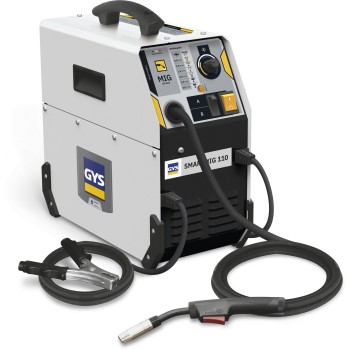
 2-year warranty